
The Fatal Flaw of the 'Broadcast' Mentality
The moment a podcaster leans into the microphone and says, "Hello to all our listeners out there," they have already lost the battle for intimacy. It is a common trap, a holdover from the era of terrestrial radio where voices were projected into the void, hoping to catch the ears of a generic demographic. But podcasting is not broadcasting; it is narrowcasting. When you try to speak to everyone, you inevitably end up speaking to no one.
In my view, the most profound shift a creator can make isn't upgrading their preamp or obsessing over their EQ settings. It is a psychological pivot: the decision to stop performing for a crowd and start talking to a single human being. This isn't just a clever mental trick; it is a fundamental shift in communication that alters your tone, your pacing, and the very soul of your content.
The Performance Trap and the 'Announcer' Voice
When we imagine a crowd, we tend to perform. We project. We adopt a persona that we think sounds 'professional' or 'authoritative.' This often results in what I call the 'Announcer Voice'—a sterile, slightly elevated way of speaking that feels like a polished plastic surface. There is no texture to it. There are no stakes.
The reality is that listeners don't subscribe to podcasts to hear a lecture from a stage; they subscribe to feel like they are sitting at a table. When you speak to an imagined audience of thousands, your brain defaults to a defensive posture. You filter your thoughts, you round off the sharp edges of your opinions, and you lose the idiosyncratic 'ums,' 'ahs,' and pauses that actually signal human connection. You become a brand, not a person. And in the current audio landscape, brands are boring, but people are magnetic.
Why Specificity Creates Universal Appeal
It sounds counterintuitive, but the more specific you are in your address, the more universal your message becomes. When you speak to one person—let’s call her Sarah, a 30-year-old freelance designer who is struggling with burnout—your language becomes grounded. You use metaphors that land. Your tone softens. You stop using jargon that serves as a shield and start using words that serve as a bridge.
Paradoxically, the thousands of other people listening who aren't 'Sarah' will find your voice more engaging. They recognize the authenticity of a 1-to-1 conversation. They feel like they are eavesdropping on something real rather than being marketed to. This intimacy is the only true currency in podcasting.
The Psychological Shift of the 'Micro-Audience'
When you imagine a single listener, your biology actually changes. Your sympathetic nervous system—the one responsible for that 'on-stage' anxiety—calms down. You move into a state of social engagement. This shift allows for a range of vocal dynamics that are impossible to fake:
- Varied Pacing: You feel comfortable slowing down for emphasis or speeding up with genuine excitement.
- Emotional Translucency: Your voice carries the subtle micro-expressions of your actual mood, which builds subconscious trust with the listener.
- Lowered Defenses: You are more likely to share the 'messy' parts of a story that make it relatable.
- Rhetorical Confidence: You stop seeking validation from a nameless mass and start speaking with the conviction of a friend giving advice.
How to Actually Speak to One Person
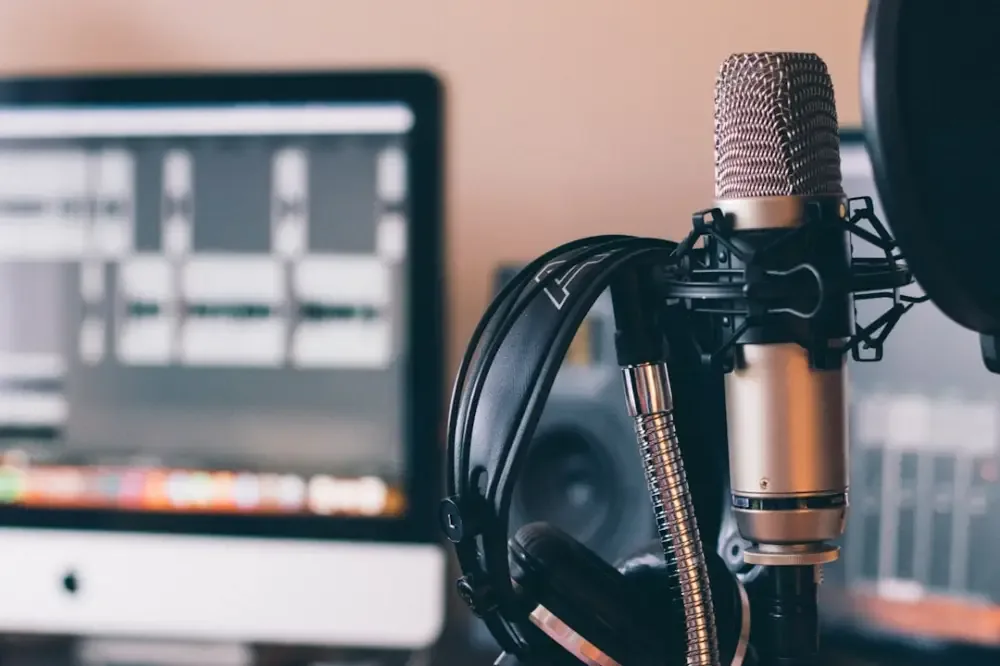
It is one thing to say you are speaking to one person; it is another to actually do it when you are staring at a cold piece of foam in a quiet room. To break the 'broadcast' habit, you need to treat your listener as a specific entity. This is not about 'marketing personas' or 'target demographics'—it is about humanizing the ear on the other side of the earbud.
Practical Steps for Your Next Recording
- Name Your Listener: Give them a name. Better yet, choose a real person you know who fits your ideal audience. If you’re stuck, put a photo of a friend behind your microphone.
- Change Your Opening: Eliminate pluralities. Instead of "Hey everyone," try "I’m glad you’re here today." Use the word 'you' as a singular pronoun, not a collective one.
- Speak in the 'In-Between' Moments: Imagine you are talking to them while they are doing something mundane—washing dishes, commuting, or walking the dog. This forces you to match their energy level rather than trying to hype them up.
- Listen to Your Own Silences: In a real conversation, we pause to think. In a performance, we fear silence. Allow yourself the grace of a thought-filled pause; it tells the listener that you are actually present in the moment with them.
The Stance: Trust is Not Scalable Through Volume
There is a prevailing myth in digital media that to grow, you must broaden. I argue the opposite. To grow a meaningful podcast, you must deepen. The most successful creators are those who have mastered the art of the 'whisper'—the ability to make every individual listener feel like the episode was recorded specifically for them.
We have enough polished, over-produced, and 'mass-market' content. What we are starving for is the sound of a human being who isn't afraid to be seen. By imagining a single listener, you stop being a content creator and start being a companion. That is a shift that no AI, no high-end studio, and no marketing budget can replicate. If you want to change the way you speak, stop looking at the charts and start looking at the person you’re talking to.